Reading 1: Welcome to EMT Training — What You're About to Undertake
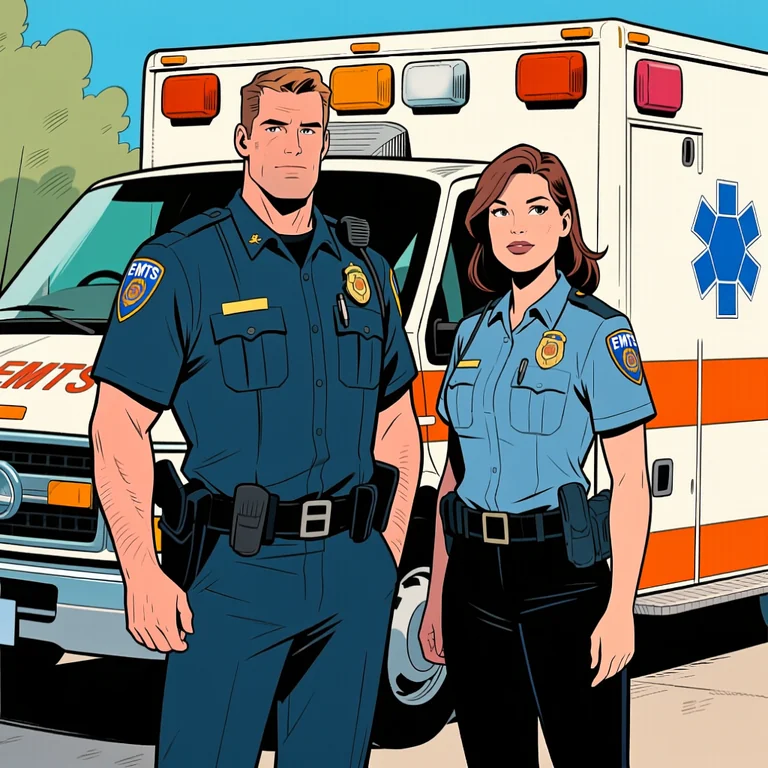
EMT training is a certification program built around one non-negotiable standard: competence. Unlike a college course where a passing grade might be a 70%, emergency medicine sets the bar higher. A 70% means 30% of the time, something goes wrong. On an emergency scene, that is not acceptable. This program uses a mastery-based learning model with a 90% passing threshold on all module assessments. That number reflects the level of competence your instructors and medical director expect before you walk onto an emergency scene.
Retaking is not failure. Retaking is learning. If you score an 88% on a module quiz, you do not move on. You review the material, figure out what you missed, and try again. The platform is designed to support this. You can retake any assessment as many times as you need, with no penalty. The only requirement is that you demonstrate 90% or better before the next module unlocks.
The course is divided into modules that build on each other. Early modules establish your vocabulary, your understanding of the body, and your assessment framework. Later modules apply that foundation to specific medical and trauma emergencies. Skipping ahead is not possible by design. You cannot assess a cardiac patient if you do not understand the cardiovascular system.
Each module contains several types of learning activities: video lessons with narrated instruction, readings, flashcard sets to reinforce terminology, matching games, fill-in-the-blank diagrams, short answer questions, and hands-on skill sheets. The videos and readings deliver new information. The flashcards and games help you retain it. The short answer questions push you to apply and explain what you know. The skill sheets prepare you for hands-on competency evaluations you will perform in front of your instructor.
Every EMT course in the United States must meet the 2021 NHTSA National EMS Education Standards. This course is built on those standards. When you complete it, you will be prepared to sit for the NREMT cognitive (written) exam and the NREMT psychomotor (skills) exam. Passing both exams is required for most states to issue an EMT license. Your instructor will review the specific requirements for your state.
EMT training is challenging, but it is completely learnable. Every paramedic you have ever seen started exactly where you are. Come prepared, stay engaged, and ask questions.
Stop and think
In your own words, explain why this program uses a 90% passing threshold instead of a lower number like 70%. What does that standard mean for patients?
Model Answer: A 70% passing threshold means a student has a 30% gap in their knowledge — 30% of the time, they may not know the correct answer or action. In emergency medicine, that gap translates directly to errors in patient care. The 90% threshold is the minimum standard set by the NREMT, and it reflects what medical directors expect from providers working in the field, where mistakes can cost lives.
Stop and think
Describe the mastery-based learning model. How is it different from how grades typically work in a high school or college class?
Model Answer: In a traditional class, a student earns a grade on each test and moves on regardless of how much they missed — a 70% is a passing grade and the course continues. In the mastery-based model, a student must score 90% or better on every module quiz before the next module unlocks; there is no averaging and no moving on with a knowledge gap. Retaking a quiz is expected and encouraged, with no penalty for multiple attempts, because the goal is genuine mastery rather than a grade on a transcript.
Stop and think
What are the different types of learning activities in this course, and what is the purpose of each type?
Model Answer: The course includes videos and readings that deliver new information, flashcard sets and matching games that reinforce retention of terminology and concepts, fill-in-the-blank diagrams that build visual understanding, short answer questions that develop the ability to apply and explain concepts, and skill sheets that prepare students for hands-on competency evaluations. Each type targets a different kind of learning so that students develop conceptual understanding, automatic recall, and procedural competency together.
---
Reading complete — grade saved